If you’re trying to buy your first home without stretching your budget too far, Dennison deserves a closer look. In a county where prices can vary a lot from town to town, this small Tuscarawas County village still offers entry points that may feel more realistic for first-time buyers. If you want to understand what “affordable” really looks like here, what kinds of homes you may find, and how to avoid expensive surprises, you’re in the right place. Let’s dive in.
Why Dennison Stands Out
Dennison is a small village in Tuscarawas County with a population of 2,647 as of 2024, according to the 2025 Ohio county profile for Tuscarawas County. It sits within reach of larger nearby communities like Dover, Uhrichsville, and New Philadelphia, which can make it appealing if you want a lower-cost home base while staying connected to jobs, services, and everyday errands.
The county data also helps explain why affordability conversations matter here. Tuscarawas County has a median home value of $176,800, a median monthly owner cost of $1,281, and a median gross rent of $876, based on the same Ohio county profile. Against that backdrop, Dennison often stands out as one of the more affordable places to start.
What Affordable Means in Dennison
A recent Realtor.com ZIP 44621 market snapshot reported a median home price of $105,000 in January 2026, with 13 active listings, 43 median days on market, and a balanced market. That is a useful benchmark if you are trying to define the local starter-home range.
Countywide, prices are higher. Redfin’s Tuscarawas County housing market data showed a median sale price of $240,000 in February 2026. That gap suggests Dennison can offer a more approachable entry point than many other parts of the county.
Based on recent local listing examples, budget-minded buyers may find homes in roughly the $45,000 to $85,000 range when they are open to older properties, simpler finishes, or homes that may need more review. More updated small homes often appear closer to the $100,000 to $160,000 range, based on examples compiled in this recent Dennison listing research.
What Starter Homes Look Like Here
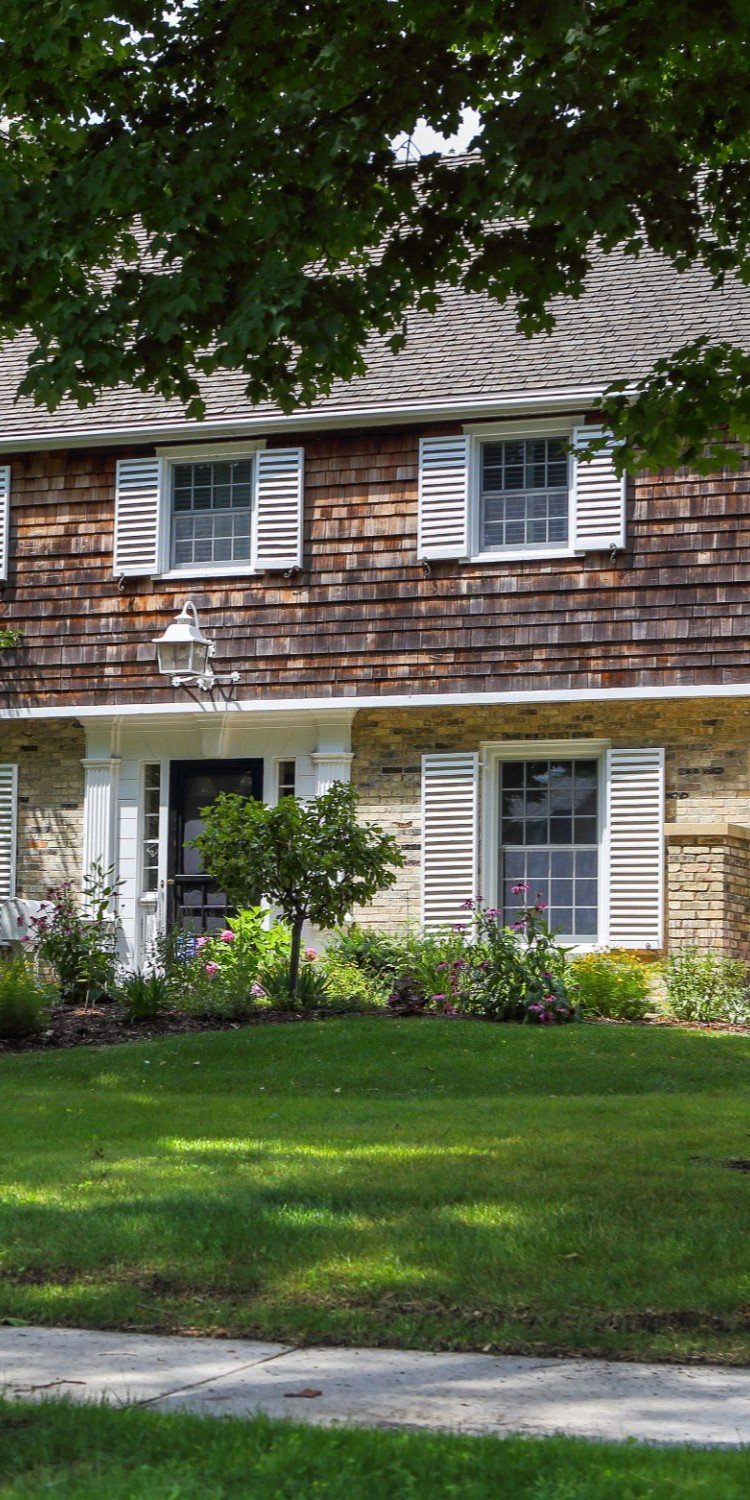
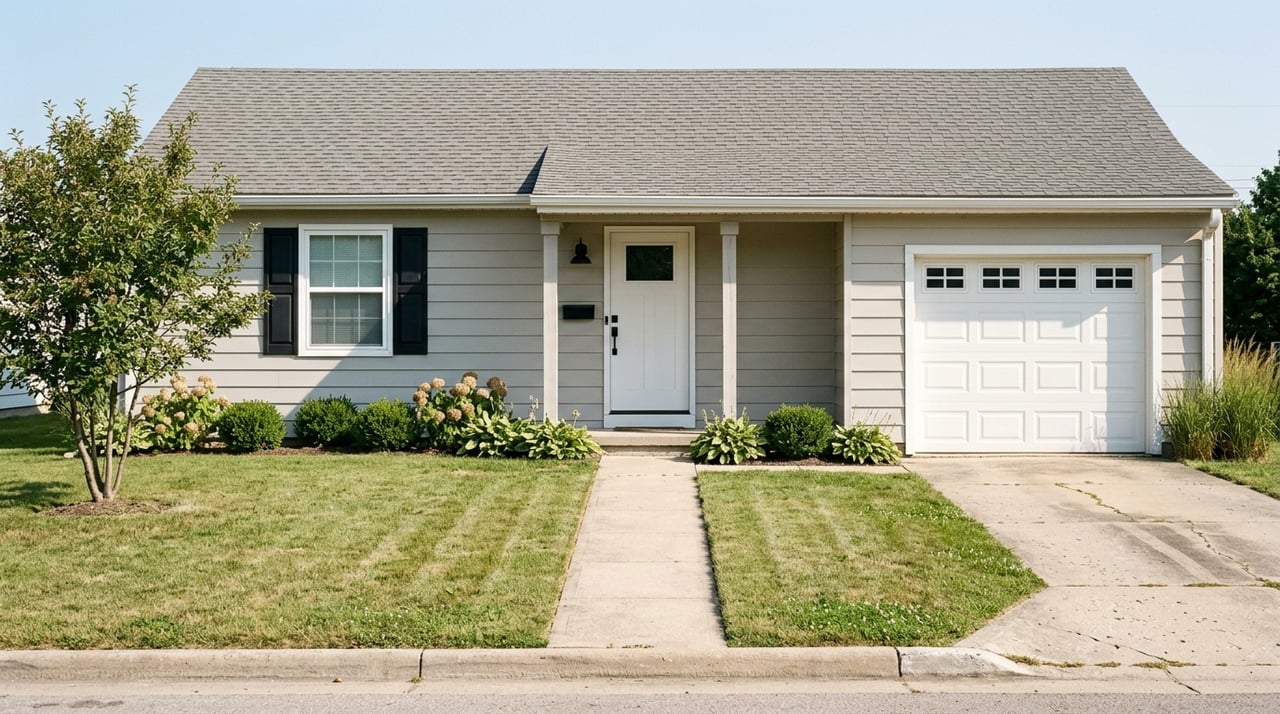
In Dennison, a starter home usually is not brand-new construction. More often, it is a smaller ranch, a modest two-story home, or a manufactured home that offers a manageable price point and a practical layout. Recent listings show that these homes often come with older build dates, modest lot sizes, and a mix of update levels, according to the same Dennison listing examples.
That pattern makes sense when you look at the larger housing stock. The Tuscarawas County profile shows a median year built of 1970, and 10,448 county housing units were built in 1939 or earlier. In other words, older homes are not unusual here. They are part of the market.
Dennison’s history also plays a role. The Dennison Railroad Depot Museum notes that the depot was built in 1873 and remains the village’s signature historic landmark. That long history helps explain why you may see older homes with character, practical footprints, and a wider range of maintenance and update levels than you would find in a newer subdivision.
Move-In Ready vs. Needs Work
This is one of the biggest decisions you’ll make as a first-time buyer in Dennison. A move-in ready home usually costs more, but it may come with less immediate stress and fewer surprise expenses.
In this market, “move-in ready” often means the seller has already tackled some major items buyers watch closely, such as roofs, furnaces, hot-water tanks, windows, or kitchen updates. Recent listings in Dennison specifically point to features like remodeled kitchens, newer mechanicals, and updated roofing as value drivers in this price range, based on local listing details.
At the lower end of the market, the tradeoff is usually price flexibility. Older homes can offer lower sticker prices, but you should go in expecting closer review of condition and future repair needs. That does not mean a lower-priced home is automatically a bad option. It simply means you need to weigh the savings upfront against the work and cost that may follow.
What to Look At Beyond Square Footage
When homes are older and pricing is tight, square footage alone does not tell the full story. In Dennison, you’ll often get more value by looking closely at the systems and upkeep behind the walls.
Pay attention to:
- Roof age and condition
- Furnace and hot-water tank age
- Window updates
- Kitchen and bath condition
- Signs of deferred maintenance
- Lot usability and parking
- Overall layout for your daily needs
Some buyers also value being near village amenities. One recent Dennison listing highlighted proximity to McCluskey Park, restaurants, and the railroad depot area, showing that convenience and walkability can matter alongside price in a small-town market, according to the same local listing research.
Budget for More Than the Price Tag
One of the easiest mistakes first-time buyers make is focusing only on the sale price. The home may be affordable, but your full cash-to-close number can be higher than expected.
The Consumer Financial Protection Bureau says closing costs typically run about 2% to 5% of the purchase price. On a $105,000 home, that comes out to about $2,100 to $5,250 before you factor in your down payment, moving costs, furniture, or immediate repairs.
In an older-home market like Dennison, it is also smart to keep a repair cushion. Even if the home is livable on day one, small-town starter homes often come with a to-do list. A realistic budget can help you stay confident instead of feeling stretched the moment you get the keys.
Ohio Programs That May Help
If upfront cash is your biggest hurdle, state-level assistance may make buying more realistic. The Ohio Housing Finance Agency offers 30-year fixed conventional, FHA, VA, and USDA loans through approved lenders, along with down payment assistance.
According to OHFA, current down payment assistance is 3% for conventional loans and 3.5% for government loans. The same source lists minimum credit scores of 640 for conventional, USDA, and VA loans, and 650 for FHA loans. If you’re buying your first home in Dennison, these programs are worth exploring early so you know what may be available before you shop.
Why Inspections Matter Here
In a market with older homes, an inspection is not just a box to check. It is one of the best tools you have for protecting your budget.
The Consumer Financial Protection Bureau’s home inspection guidance recommends scheduling an independent inspection as soon as possible, making your offer contingent on satisfactory inspection and financing, and using the results to negotiate repairs or credits if major issues come up. That advice fits Dennison especially well because many homes here were built decades ago and may have a long maintenance history.
A solid inspection can help you answer practical questions fast. Is the lower price worth it? Are the mechanicals in decent shape? Will you need immediate repairs after closing? Those answers matter just as much as the list price.
How to Negotiate in Dennison
First-time buyers sometimes assume they need to accept the asking price without much discussion. In Dennison, the data suggests there may be room for practical negotiation, especially on older or less-updated homes.
The Realtor.com market snapshot for ZIP 44621 reports that homes sold for about 8.89% below asking on average, with a 91% sale-to-list ratio. That does not mean every seller will cut the price, but it does support reasonable conversations around condition, repair credits, or modest price adjustments.
A strong negotiation approach often includes:
- A clear understanding of local price ranges
- An inspection contingency
- A repair list focused on major items, not minor cosmetics
- A realistic offer based on age, updates, and condition
- Flexibility if the home is already priced sharply
This is where local guidance can make a real difference. In a small-town market, pricing is often shaped by condition, update quality, and seller motivation just as much as by square footage.
A Practical Path to Buying Your First Home
If you want an affordable starter home in Dennison, the goal is not just to find the cheapest house. The goal is to find the best value for your budget, your timeline, and your comfort level with repairs.
For some buyers, that means paying a little more for a home with updated systems and fewer unknowns. For others, it means buying lower, negotiating carefully, and planning improvements over time. Either path can work when you go in with a clear budget, a strong inspection plan, and realistic expectations about an older-home market.
If you’re exploring starter homes in Dennison or anywhere in the Tuscarawas County area, Jason Margo offers practical, local guidance backed by hands-on market knowledge and real renovation insight.
FAQs
What is an affordable starter home price range in Dennison, Ohio?
- Based on recent local listing examples and market data, entry-level opportunities may appear around $45,000 to $85,000, while more updated small homes often fall closer to $100,000 to $160,000.
What home styles are common for starter homes in Dennison, Ohio?
- Recent listings show ranch homes, modest two-story houses, and manufactured or mobile homes are common options for buyers looking at lower price points.
What does move-in ready mean for a Dennison starter home?
- In Dennison, move-in ready usually means key items like the roof, furnace, hot-water tank, windows, or kitchen have already been updated or well maintained.
How much should first-time buyers budget for closing costs on a Dennison home?
- The Consumer Financial Protection Bureau says closing costs typically range from 2% to 5% of the purchase price, which is about $2,100 to $5,250 on a $105,000 home.
What Ohio programs can help first-time buyers in Dennison?
- OHFA offers 30-year fixed conventional, FHA, VA, and USDA loan options through approved lenders, plus down payment assistance of 3% for conventional loans and 3.5% for government loans.
How should buyers negotiate on older homes in Dennison, Ohio?
- A practical approach is to make your offer contingent on inspection and financing, use inspection findings to request repairs or credits when needed, and base your offer on the home’s age, updates, and overall condition.