If you love the idea of owning a slice of 19th-century America, Zoar Village may be calling your name. The homes here are rich with character, but they also come with unique rules, inspections, and financing steps. In this guide, you will learn how to evaluate a Zoar property, plan renovations the right way, and move from offer to closing with confidence. Let’s dive in.
Why Zoar homes stand out
Zoar is a nationally significant historic village. The Zoar Historic District is listed on the National Register of Historic Places and was elevated to National Historic Landmark status in 2016, which speaks to its rare integrity and importance. You can explore the district’s official National Register record for context on boundaries and significance in the NPS listing.
The village grew from the Society of Separatists’ communal settlement beginning in 1817. Many buildings still reflect the original German American plan and craftsmanship. The result is a walkable place with intact domestic, religious, and communal structures that hold both cultural and market value for owners.
What you will find architecturally
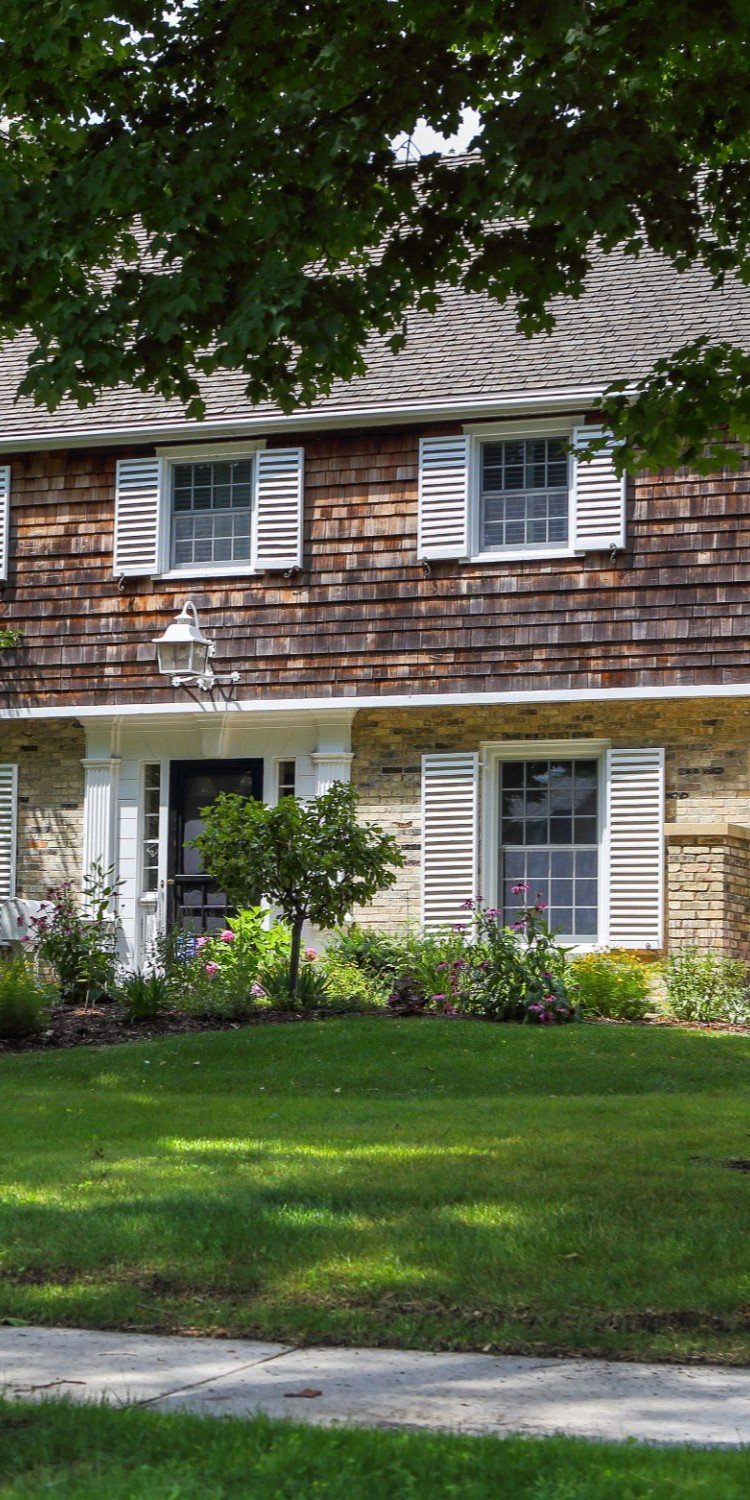
You will see a mix of log and timber-frame homes, Flemish-bond brick with sandstone details, and clapboard frame buildings. Roofs may be slate or wood shingle, and some houses include classic details paired with Germanic influences. For a helpful overview of character and materials, review the SAH Archipedia entry on Zoar.
Key features that shape value include original window sashes and glazing patterns, brick and sandstone masonry, porches and wood ornament, historic rooflines and dormers, and wide-plank floors. Preserving these elements usually supports long-term value, but it can require specialized trades and careful planning.
Understand preservation rules
Zoar has multiple layers of stewardship. Properties sit within a nationally designated district and are part of a locally managed preservation framework. If you buy in the village, expect local design review for exterior work.
Start with the Village of Zoar’s Historic Preservation Commission. The HPC publishes guidance on doors, windows, roofs, siding, masonry, foundations, porches, and outbuildings. Review the village’s overview and request guidelines and recent meeting minutes from the Village of Zoar site early in your due diligence.
Also check your title documents. Some properties may include recorded covenants or easements that affect alterations. Federal and state listings recognize significance, but practical controls usually flow from local ordinances, preservation easements, or deed restrictions.
Due diligence checklist
Use this checklist during your contingency period to avoid surprises:
- Documents to request
- Current deed and a full title report that flags any preservation easements, covenants, or recorded agreements.
- Copies of recent permits, contractor invoices, and any past HPC approvals tied to the property.
- Inspections and tests to order
- Full home inspection by a pro experienced with historic structures.
- Structural engineer review of foundation, framing, and major loads.
- Chimney and masonry inspection, especially where slate roofs and stone or brick chimneys are present.
- Lead-paint risk assessment and confirm contractors follow the EPA RRP Rule for any paid work on pre-1978 surfaces.
- Asbestos survey for suspect materials like vermiculite, pipe wrap, floor adhesives, or textured ceilings. See EPA guidance on vermiculite insulation.
- Radon testing for the lowest livable level and plan mitigation if results exceed EPA guidance. Reference EPA’s radon information.
- Septic inspection and well water testing if applicable, or confirm sewer availability.
- Flood-zone check using FEMA’s Flood Map Service Center and obtain any elevation certificate on file.
- Contractor and permit checks
- Get at least two written scopes and bids from contractors who have historic-building experience and proper lead/asbestos credentials.
- Ask the building department and the HPC about likely review requirements, submittal materials, and timelines.
Common issues in Zoar houses
Structure and envelope
Many foundations are stone or brick. Look for settlement, moisture intrusion, and past repairs that used hard Portland cement mortar, which can damage historic masonry. Slate or wood-shingle roofs and historic chimneys need close inspection for flashing, slate condition, and signs of leaks.
Mechanical, electrical, and plumbing
Older houses often have knob-and-tube or ungrounded wiring, undersized electrical service, and galvanized plumbing or lead solder. These systems can be safety issues and may affect insurance underwriting. Budget for partial or full system upgrades where needed.
Hazardous materials and indoor air
For pre-1978 paint, assume lead is present unless proven otherwise. Hire RRP-certified contractors and plan containment and cleanup that meets the rule. If you suspect asbestos, do not disturb suspect materials and bring in a certified professional for testing and, if necessary, abatement per EPA guidance.
Radon testing is recommended in Tuscarawas County. If results exceed EPA guidance, plan for mitigation, often by sub-slab depressurization. Test during your inspection period so you can plan costs and timelines.
Site and flood considerations
Zoar sits beside the Tuscarawas River. A recent US Army Corps of Engineers project improved the village levee to protect the National Historic Landmark, recognized by the ACHP’s federal partnerships award. Even with that work, confirm the FEMA flood panel for your parcel and your lender’s flood determination. If the property is in a Special Flood Hazard Area, the lender will require NFIP flood insurance.
Energy upgrades without losing character
Focus on a phased energy plan rather than tearing out character-defining fabric. Typical steps include HVAC upgrades, insulation where appropriate, and sensitive window work, such as restoration with weatherstripping and quality storm windows.
Insurance and financing tips
- Flood insurance
- If your lender’s determination places the home in a Special Flood Hazard Area, NFIP coverage will be required. Pull the official panel at FEMA’s Flood Map Service Center and obtain any elevation certificate before getting quotes.
- Historic-home insurance
- Older materials and systems can raise replacement-cost estimates. Get early quotes, and ask underwriters to list any required electrical, plumbing, or roof upgrades in writing.
- Renovation-friendly mortgages
- Two common choices are FHA’s 203(k) Rehabilitation Mortgage and Fannie Mae’s HomeStyle Renovation. Not all lenders offer these. FHA’s program details and lender participation requirements are outlined on HUD’s 203(k) page. Plan for a longer closing timeline if you use a renovation loan.
Timeline and cost planning
A practical timeline looks like this: search and tour, offer with inspection contingency, specialized inspections and testing in 2 to 3 weeks, contractor bids and lender selection in 2 to 6 weeks, and HPC review for exterior work that can take weeks or longer depending on scope. Closing follows, then renovation draws and completion that can span 3 to 12 months or more. Build a contingency line in your budget, often 10 to 25 percent of renovation costs, to cover unknowns and material lead times.
Build your local team
The right team shortens timelines and avoids costly mistakes. Work with a construction‑savvy local broker who understands historic materials, typical Zoar approvals, and renovation logistics. When your project touches porches, historic windows, masonry facades, or other defining elements, bring in a preservation architect or a restoration contractor to set the scope and specs. If you plan to use a 203(k) or HomeStyle loan, talk with participating lenders and, for larger 203(k) projects, be ready to involve a HUD consultant.
Ready to buy in Zoar?
Zoar’s homes reward careful buyers. If you want a practical plan for inspections, bids, approvals, and financing, you will benefit from a local guide who also understands construction. For a one-stop, hands-on approach from search to renovation and beyond, reach out to Jason Margo for a conversation about your goals in Zoar Village.
FAQs
What makes Zoar Village historically significant?
- The Zoar Historic District is on the National Register and was designated a National Historic Landmark in 2016 for its rare, intact 19th-century communal village fabric and craftsmanship.
Do I need approval to replace windows in Zoar?
- Exterior changes in the district typically require Historic Preservation Commission review; request the HPC’s window and exterior guidelines and confirm whether a Certificate of Appropriateness is needed.
How should I check flood risk for a Zoar property?
- Pull the FEMA flood panel at the Flood Map Service Center, review any elevation certificate, and confirm your lender’s flood determination to see if NFIP insurance will be required.
Which inspections are most important for 19th-century Zoar homes?
- Prioritize a full home inspection, structural engineer review, chimney and masonry checks, and tests for lead paint, asbestos, and radon, plus septic and well testing if applicable.
Can I use an FHA 203(k) loan to buy and renovate a Zoar fixer?
- Yes, if your lender participates and your project fits program rules; expect extra documentation, contractor vetting, and draw schedules that can lengthen your closing timeline.
Will insurers require electrical or plumbing upgrades in older Zoar homes?
- Many insurers flag knob-and-tube wiring, ungrounded systems, or galvanized plumbing; get quotes early and ask underwriters to put any required upgrades in writing.