Looking for a rental property that can actually make sense on paper in a small Ohio market? In Massillon, small multifamily homes like duplexes can stand out because they sit at the intersection of attainable pricing, steady renter demand, and older housing stock that may offer room for practical improvements. If you want to invest with a clear-eyed view of the numbers, the local rules, and the kind of property that fits this market, this guide will help you focus on what matters most. Let’s dive in.
Why Massillon Fits Small Multifamily
Massillon is not a luxury-rental market, and that is exactly why small multifamily investing can be worth a closer look. The city had an estimated 32,750 residents in 2024, along with 13,882 households, a median household income of $55,308, and a poverty rate of 14.6%. In practical terms, that points to a market where affordability matters.
Massillon also benefits from being part of the broader Stark County labor market. Stark County had 373,771 residents in 2025 and a higher median household income of $67,934. The larger county setting matters because many renters make housing decisions within a wider work and commute area, not just within one city line.
Employment data also supports a steady, working-household renter base. In April 2026, the Canton-Massillon metro unemployment rate was 4.2%, and major sectors included education and health services, trade, transportation and utilities, and manufacturing. That mix tends to support demand for practical, reasonably priced rental housing rather than high-end units chasing premium rents.
Why Duplexes Matter in Massillon
Massillon’s housing stock helps explain why duplexes and other small multifamily properties deserve attention. The city’s 2024-2028 Consolidated Plan says Massillon has about 15,500 housing units, with about 90% occupied. Of those occupied units, about 63% are owner-occupied and 37% are renter-occupied.
The same plan shows that much of the housing inventory is older. About 74% of units were built before 1980, and roughly 35% were built between 1950 and 1979. It also notes that around 10% of the city’s housing stock is in 2-4 unit buildings.
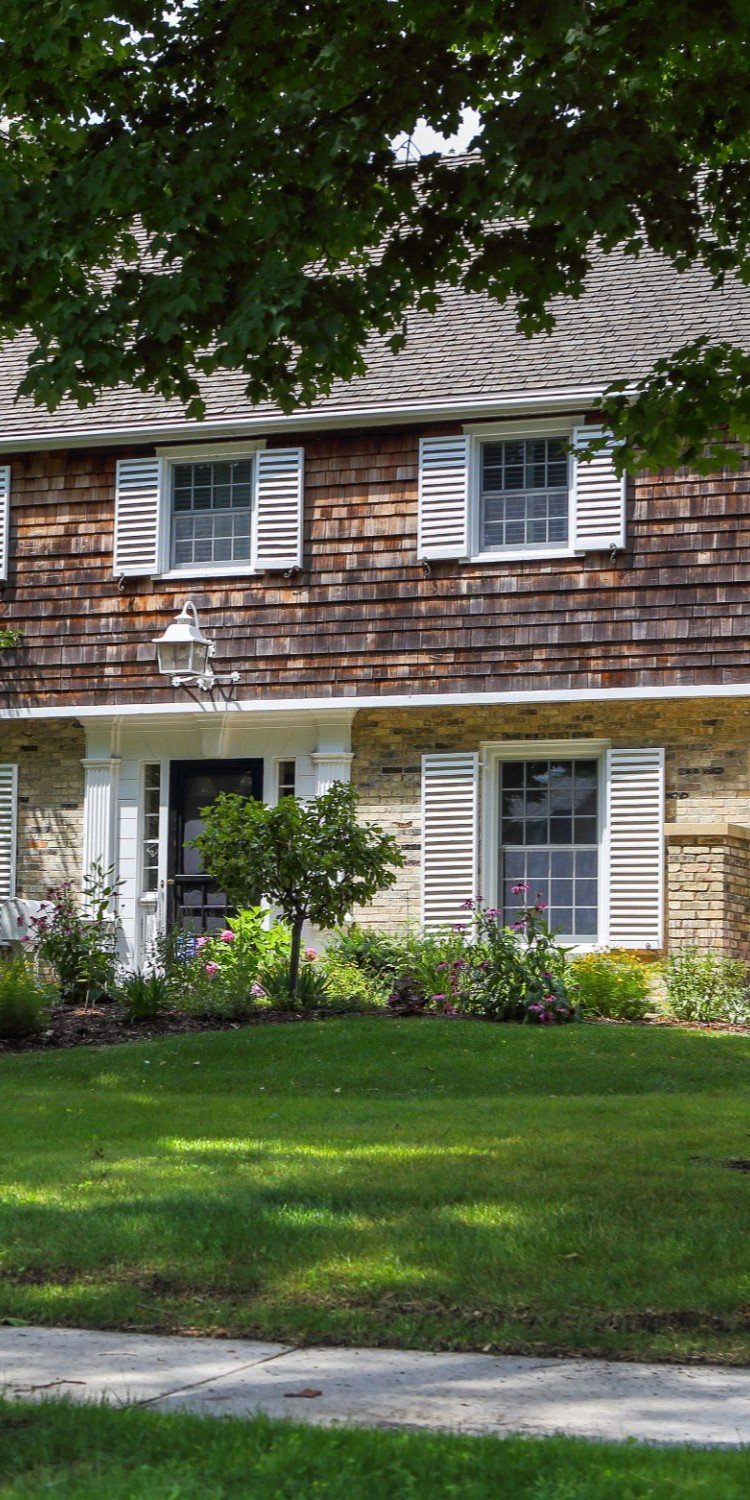
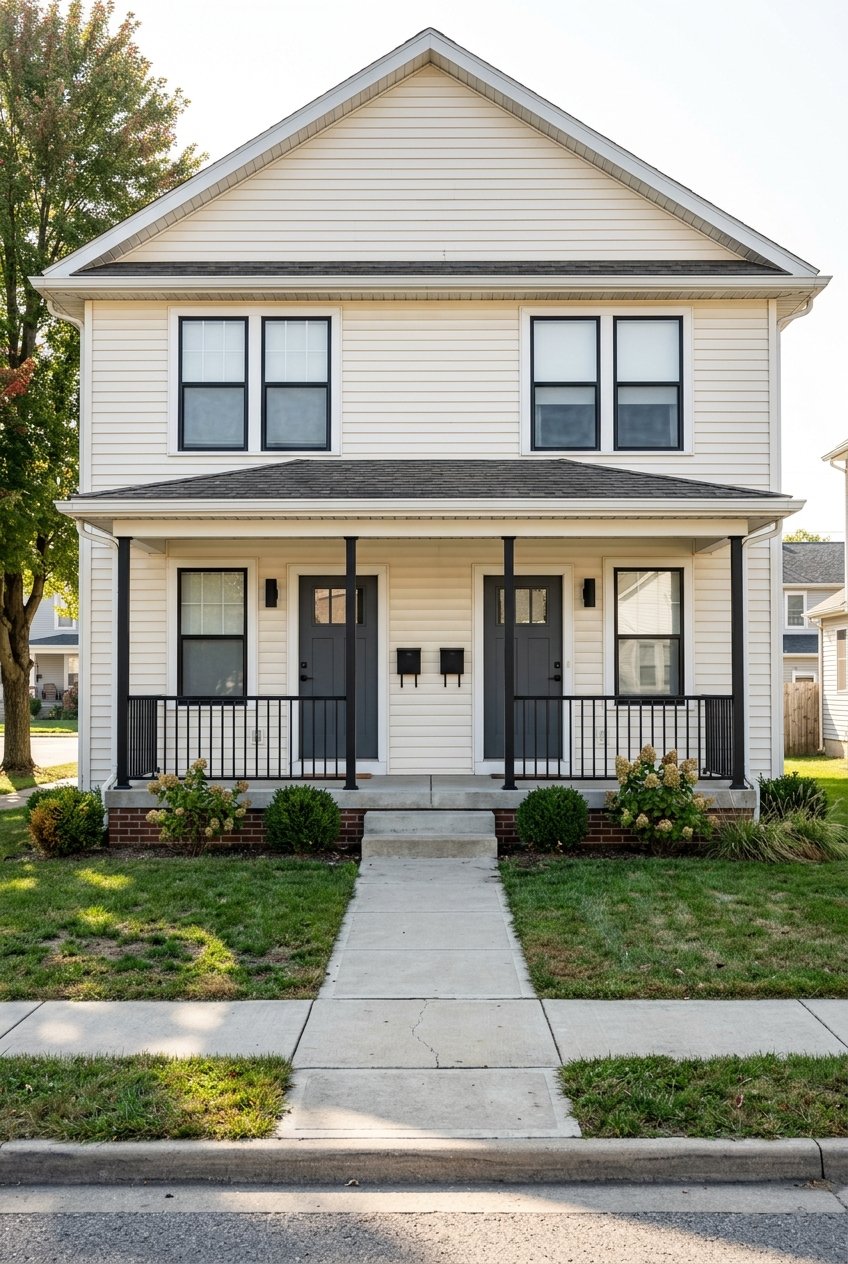
That mix matters for investors because small multifamily already exists as a meaningful part of the housing supply, but it is not overwhelming the market. In a city where single-family homes still dominate, a well-kept duplex can fill a useful niche for renters who want modest, functional housing.
It also shapes the renovation story. In older housing stock, many opportunities are more about cosmetic updates and selective system work than full-scale redevelopment. That said, repair and replacement work can trigger code compliance and permits, so you need to budget with the city’s requirements in mind.
What Rent Demand Looks Like
One of the more useful signals in Massillon is how limited visible rental inventory appears to be. As of March 2026, Realtor.com showed 254 homes for sale and only 33 rentals in Massillon. That is a snapshot, not a full rental census, but it still suggests that publicly listed rental supply is relatively thin.
Public rent benchmarks also cluster into a fairly tight range. Massillon’s median gross rent was $846, while Stark County’s median rental price on Realtor.com was $925. Realtor.com zip-code snapshots within Massillon showed median monthly rental prices of $910 in 44646 and $1,050 in 44647.
HUD’s FY2026 fair market rents for the Canton-Massillon MSA add another useful benchmark. They were $846 for a one-bedroom, $1,086 for a two-bedroom, $1,371 for a three-bedroom, and $1,451 for a four-bedroom. Since HUD fair market rent is a gross-rent estimate rather than a direct survey of current leases, it works best as a reference point instead of a pricing guarantee.
Taken together, these numbers support a simple conclusion: the strongest underwriting case in Massillon is usually a clean, functional 1-2 bedroom unit at an attainable rent. This is not a market where you want your numbers to depend on aggressive rent growth or premium finishes that overshoot the local demand profile.
Affordability Drives the Opportunity
Massillon’s demand story is closely tied to affordability. The city’s Consolidated Plan found that about 3,200 households were cost-burdened, including 1,940 renter households. It also found that about 48% of households were at or below 80% of HUD area median family income.
For investors, that is important. It means demand is likely to favor housing that is well-maintained, efficient to operate, and priced within reach for everyday working households. In other words, dependable operations may matter more here than trying to push the very top of the market.
This is one reason small multifamily can work well in Massillon. A duplex with sensible updates and stable management may appeal to a broader renter pool than a heavily upgraded property that needs top-dollar rents to justify the deal.
How to Screen a Duplex Deal
If you are evaluating a small multifamily property in Massillon, start simple. A basic screen is gross yield:
Annual gross rent ÷ purchase price = gross yield
Using public benchmarks, a duplex with two units each renting near the FY2026 HUD two-bedroom fair market rent of $1,086 would produce about $26,064 per year in gross rent. Against Massillon’s March 2026 median listing price of $260,000, that works out to roughly a 10.0% gross yield before expenses.
If you use a more conservative rent assumption of $950 per unit per month, annual gross rent would be about $22,800. On that same $260,000 purchase price, the gross yield is about 8.8% before expenses.
Those are screening numbers only, but they tell you something important. In Massillon, duplex performance is often won or lost through expense control, tax planning, renovation discipline, and vacancy management, not just by betting on rent increases.
Expenses Can Make or Break Returns
This is where many investors get too optimistic. A property can look fine on gross rent and still disappoint once you factor in vacancy, taxes, insurance, repairs, reserves, management, and debt service. In a market like Massillon, small mistakes in underwriting can erase your margin fast.
Property taxes deserve especially close attention. Stark County provides a parcel-level tax estimator, and the county’s 2024 tax-rate sheet lists Massillon City - Massillon CSD at a gross residential/agricultural rate of 67.25 mills. Your actual bill will still depend on the parcel, available credits, and the taxing district.
That means you should never rely on citywide rent benchmarks alone. Before you get attached to a deal, pair the likely rent range with the specific parcel’s taxes and a realistic scope of work for the building.
Best Value-Add Strategy for Massillon
Because so much of the local housing stock is older, Massillon often makes the most sense for light value-add rather than heavy repositioning. Think paint, flooring, kitchens and baths where needed, exterior cleanup, and selective updates to systems instead of a full rebuild.
That approach fits both the local housing profile and the administrative realities of the market. The city states that Ohio building, mechanical, and plumbing codes apply to construction, alteration, replacement, repair, equipment, use, maintenance, removal, and demolition. In plain English, even straightforward work may require permits or code review.
The goal is not just to make a property look better. The goal is to improve durability, reduce maintenance surprises, and present units that are clean and easy to lease at realistic rent levels.
Know the Local Rental Rules
Before buying a non-owner-occupied multifamily property in Massillon, make sure you understand the city’s rental requirements. The city requires non-owner-occupied structures to be registered. The current form shows a fee of $50 per structure plus $30 for each additional unit.
Massillon also requires tenant reporting. Owners must file move-in and move-out information with the tax administrator within 30 days, and the reporting must stay current for all rental properties in the city.
The city’s housing page also summarizes several practical landlord rules. Ohio has no general rent control, month-to-month rent increases require 30 days’ notice, landlords generally must give 24 hours’ notice before entering, and eviction begins with a 3-day notice to vacate.
These rules do not make investing in Massillon unusually difficult, but they do create ongoing administrative work. If you live out of town, own multiple properties, or are buying a property that needs lease-up after renovations, that operational side deserves real attention.
When Property Management Helps
Some investors enjoy handling every detail themselves. Others want a more hands-off approach, especially if they are absentee owners or buying a duplex that needs renovation and stabilization before it becomes truly predictable.
That is where full-service support can add value. In a market like Massillon, third-party management can help with leasing, tenant coordination, move-in and move-out reporting, and the day-to-day follow-up that keeps a small multifamily property running smoothly.
For properties with older systems or light rehab needs, it also helps to work with a team that understands both the transaction side and the renovation side. That can make it easier to evaluate whether a property needs simple cleanup, selective upgrades, or a more expensive scope that changes the investment case.
What a Good Massillon Deal Usually Looks Like
The strongest small multifamily opportunities in Massillon usually share a few traits:
- A practical purchase price relative to rent potential
- Two units with broad appeal, often 1-2 bedrooms
- Older but serviceable construction
- Cosmetic or moderate upgrades instead of full redevelopment
- Realistic taxes, insurance, and repair assumptions
- A plan for rental registration and tenant reporting
- A management strategy that matches your time and location
In short, this is a market where disciplined buying often beats flashy buying. If the property is clean, functional, and managed well, the numbers may work better than a more ambitious project that depends on perfect execution.
If you are exploring duplexes or other small multifamily homes in Massillon, the smartest next step is to underwrite each property with local rent reality, parcel-specific taxes, and a clear renovation plan. If you want help finding, improving, or managing an investment property in Stark County or nearby Northeast Ohio markets, Jason Margo offers a hands-on, owner-led approach built for practical results.
FAQs
What makes small multifamily homes attractive in Massillon?
- Small multifamily homes can fit Massillon well because the city has affordability-sensitive renter demand, older housing stock with value-add potential, and relatively limited visible rental inventory.
What rent range should you expect for a Massillon duplex?
- Public benchmarks suggest modest, attainable rents are the safest starting point, with local measures clustering around the mid-$800s to just over $1,000 depending on unit size and location.
What is a simple way to screen a duplex in Massillon?
- Start with annual gross rent divided by purchase price to estimate gross yield, then test the deal again after factoring in vacancy, taxes, insurance, repairs, reserves, management, and debt service.
What local rules apply to rental properties in Massillon?
- Massillon requires non-owner-occupied rental structures to be registered, requires move-in and move-out reporting to the tax administrator, and publishes rental housing and building department materials for owners to follow.
Why do property taxes matter so much for Massillon investors?
- Taxes can materially change your return, so you should check the specific parcel through Stark County tools instead of relying only on citywide averages or rent benchmarks.
When does professional property management make sense for a Massillon rental?
- Property management can be especially helpful if you are an absentee owner, buying an older property that needs lease-up support, or want help handling tenant coordination and local compliance tasks.