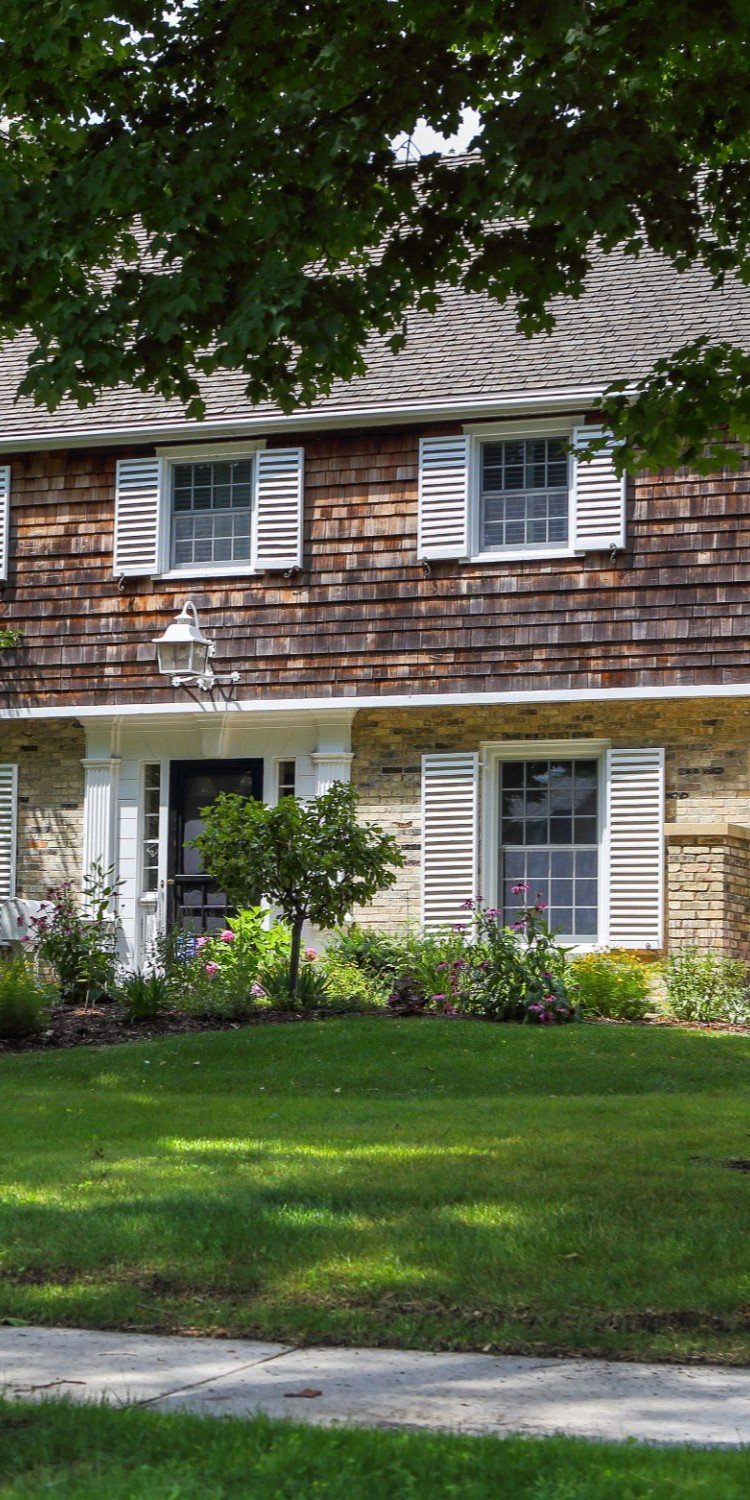
Thinking about a second home that can double as an income-producing property? Sugarcreek stands out because it offers both personal getaway appeal and real short-term rental interest, all within easy reach of major Ohio and nearby metro areas. If you are weighing lifestyle, revenue potential, and the realities of ownership, this guide will help you think through what matters most before you buy. Let’s dive in.
Why Sugarcreek draws second-home buyers
Sugarcreek has a clear identity that makes it easy to understand as a second-home destination. The village is known as the gateway to Amish Country and the Little Switzerland of Ohio, with a Swiss-style downtown, heritage attractions, local dining, bakeries, shops, and overnight lodging already built into the visitor experience.
That matters if you are buying for part-time personal use. A second home tends to work better when the destination has more than one reason to visit, and Sugarcreek benefits from a broader tourism base tied to Swiss, German, and Amish heritage rather than a single attraction.
Location also helps. Sugarcreek is about two hours from Cleveland, Columbus, and Pittsburgh, which makes it realistic for weekend trips, holiday use, and seasonal stays without requiring a major travel day.
What supports rental demand
Sugarcreek sits within the larger Amish Country visitor network, where overnight travel is already part of the local economy. Regional tourism materials include cabins, cottages, bed and breakfasts, inns, hotels, and campgrounds as core lodging options, which suggests visitors are used to staying overnight in the area.
The Ohio Swiss Festival also adds to the market's visibility. The event has run every fall since 1953 and draws thousands of visitors each year, which supports the idea that Sugarcreek sees recurring travel demand tied to local events and heritage tourism.
For you as a buyer, this points to a market that may support a hybrid strategy. You might use the home personally during parts of the year and make it available to guests during high-demand periods, especially if the property fits what travelers already expect in the area.
Sugarcreek short-term rental numbers
Third-party data models place Sugarcreek in a solid middle range for vacation rentals. AirDNA estimates about $34,800 in annual revenue, 49% occupancy, and a $262.40 average daily rate, while AirROI estimates about $40,600 in annual revenue, 46.6% occupancy, and an average nightly rate near $250.
Taken together, those figures suggest a reasonable working benchmark of roughly $35,000 to $41,000 in gross annual revenue, with occupancy in the high-40% range and nightly rates in the mid-$200s. These numbers are best used as directional planning tools, not promises.
Seasonality is a big part of the story. AirROI reports peak revenue in July, peak occupancy in October, peak average daily rate in November, and weaker performance in February, with January described as the softest occupancy month.
That means you should avoid underwriting the property as if demand stays steady all year. A realistic plan should account for stronger fall and summer windows, slower winter stretches, and the need to price around seasonal changes.
Which property types fit best
Sugarcreek's short-term rental market is heavily oriented toward whole-home stays. AirDNA reports that about 98% of listings are entire homes, which is a strong signal that guests in this market are generally booking a full property rather than a room or shared arrangement.
The bedroom mix is also useful. In AirDNA's sample, 1-bedroom, 2-bedroom, and 3-bedroom listings make up 28%, 29%, and 27% of supply, so demand is not limited to one narrow property size.
That gives you some flexibility as a buyer. A smaller home may work for couples or solo travelers, while a 2-bedroom or 3-bedroom property may appeal to a wider range of guest groups and personal-use scenarios.
Parking looks especially important. AirDNA shows parking on 99% of listings, and the local ordinance emphasizes off-street parking, so easy guest parking should be treated as a baseline feature rather than a bonus.
The local rules you need to know
If you are buying inside the Village of Sugarcreek, short-term rental rules are now a major part of the decision. Sugarcreek Village Council adopted Ordinance 25-2424 on February 2, 2026, and the village's public notice says owners are responsible for contacting village hall to register and schedule inspections.
The ordinance applies to residential dwellings rented for less than 30 consecutive days. It requires an annual permit, a building and fire inspection before permit issuance or renewal, proof of insurance, and a local property-management contact who is available 24 hours a day.
Permits run from July 1 to June 30, renew annually, and are not transferable. That means permit status should not be assumed to carry over with the property if you buy from an existing owner.
There is also a local tax component. The ordinance sets a 3% short-term rental tax on the listing price, including fees, for reservations of 29 nights or fewer.
One more detail matters: you should confirm whether a property is inside the Village of Sugarcreek or in a township or other unincorporated area before assuming the same rule set applies. The ordinance is village-specific, so location boundaries can affect how you evaluate a property's short-term rental path.
Ohio lodging rules still matter
Ohio's state rules define transient guests as people renting sleeping accommodations for less than 30 consecutive days. The state also says a cabin, house, or other stand-alone structure rented in its entirety can count as a sleeping accommodation.
That is important for buyers who assume a detached house falls outside lodging-related rules. If your plan involves short stays, you should evaluate the property as part residence and part lodging operation, not just as a house you occasionally rent.
Treat it like a business
A Sugarcreek short-term rental should be underwritten like a small hospitality business. The mix of seasonal demand, permit renewals, inspections, tax obligations, insurance requirements, and local contact rules means operations matter just as much as purchase price.
Guest turnover is another reason to be realistic. AirROI reports an average stay of about 2.4 nights, and 83.6% of active listings charge a cleaning fee averaging $98, which points to frequent changeovers and a strong need for a dependable cleaning and maintenance system.
Booking patterns also support that view. AirROI reports an average booking lead time of about 55 days, which is more consistent with a destination market where guests plan ahead rather than a last-minute stay market.
If you are buying for mixed personal use and rental income, you need a calendar plan from day one. The best setup is one where personal use, peak season pricing, cleaning schedules, and maintenance windows all work together without constant friction.
What to evaluate before you buy
Some homes look great as second homes but are harder to run as rentals. Others may not feel flashy, yet they fit the local rules and guest expectations better.
Here are a few practical points to review before you move forward:
- Confirm whether the property is inside the Village of Sugarcreek or outside village limits
- Review off-street parking capacity and guest access
- Ask how the property would handle inspections and permit requirements
- Estimate insurance, utilities, and HVAC upkeep
- Think through cleaning turnover for short average stays
- Consider whether the layout works better as a pure second home, a hybrid-use home, or a dedicated rental
- Check whether you have a local contact and management plan that fits the ordinance
The site itself matters more than many buyers expect. The village code emphasizes off-street parking and prohibits tents, campers, RVs, and other temporary lodging add-ons on site, so straightforward properties usually have fewer operational headaches than awkward lots or overcrowded setups.
Where local help adds value
This is where a local, hands-on real estate team can make a real difference. In a market like Sugarcreek, buying well is not just about finding a nice house. It is about finding a property that fits your goals, your operating plan, and the local rules.
A practical buyer strategy may include evaluating permit readiness, estimating renovation or value-add work, planning for inspections, and deciding whether the home should function mainly as a retreat, a hybrid-use property, or a dedicated income asset. That kind of planning is especially helpful in a market where property condition, layout, parking, and management systems all affect how the home performs.
If you are considering a second home or short-term rental in Sugarcreek, working with a team that understands local inventory, renovation realities, and ongoing property oversight can help you avoid expensive guesswork. If you want straightforward guidance on buying, improving, or managing a property in the area, reach out to Jason Margo.
FAQs
What makes Sugarcreek appealing for a second home?
- Sugarcreek offers year-round visitor appeal tied to Amish Country tourism, Swiss-style downtown attractions, local dining, shops, and regional access from Cleveland, Columbus, and Pittsburgh.
What is the short-term rental revenue range in Sugarcreek?
- Current third-party estimates suggest a directional gross annual revenue range of about $35,000 to $41,000, with occupancy in the high-40% range and nightly rates around the mid-$200s.
What short-term rental permit rules apply in Sugarcreek?
- Inside the Village of Sugarcreek, rentals of less than 30 consecutive days require an annual permit, inspection, proof of insurance, and a local 24-hour property-management contact.
What taxes apply to Sugarcreek short-term rentals?
- The village ordinance sets a 3% short-term rental tax on the listing price, including fees, for reservations of 29 nights or fewer.
What type of property works best for a Sugarcreek vacation rental?
- Whole-home properties with easy off-street parking, simple guest access, and a layout that supports frequent turnovers tend to fit the local market best.
What should you check before buying a Sugarcreek second home for rental use?
- You should confirm the exact property location, review permit and inspection needs, evaluate parking and access, estimate operating costs, and decide whether the home fits personal use, rental use, or both.